Arregui Is Tortured and Secretly Given Morphine
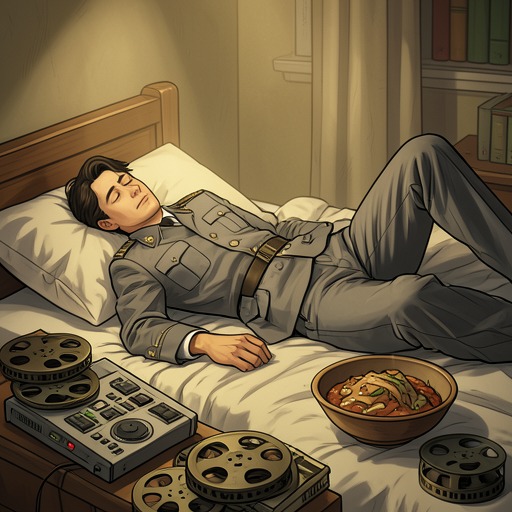
Kiss of the Spider WomanValentín Arregui Is Tortured and Secretly Given Morphine is an episode in which torture and deprivation leave Valentín in acute distress, and a prison medical worker responds with a covert dose of morphine. The intervention offers temporary relief, but its secrecy exposes the risks surrounding care inside the prison; as the drug takes effect, the scene shifts into Valentín’s uncertain, dreamlike awareness, where Marta becomes a voice accompanying him through an imagined route toward escape.
Background and Condition
The episode follows a longer period of pain and illness. Valentín has previously described pain that becomes difficult to bear, and has explained why a political prisoner might refuse the infirmary: in his account, a comrade was given an addictive drug there, which weakened his resolve. He fears that a prisoner whose resistance is compromised could be made to disclose information under interrogation. The concern makes medical treatment politically charged. For Valentín, the infirmary is not simply a place of relief; it is also associated with the possible weakening of a prisoner’s ability to protect others.
His condition has already required intimate practical care from Molina. On an earlier occasion, Molina cleans him with a damp piece of sheet and available water, reassuring him that the bedding has not been soiled through. Later, when Valentín is too sick to use the freezing shower, Molina proposes heating water in a pot and helping him wash with towels. These moments establish how illness has made Valentín dependent on another person for basic care, while the prison’s conditions leave even washing subject to risk. The later intervention with morphine enters this existing pattern of vulnerability rather than resolving it.
Torture and the Secret Intervention
At the opening of the episode, a caregiver asks Valentín where he hurts most. Valentín can answer only haltingly, and the caregiver recognizes that he is in severe pain. The exchange establishes the immediate aftermath of torture without turning the scene into a detailed account of its methods. A question about how long Valentín has gone without food receives the answer of three days, adding deprivation to the injuries and pain already evident.
The caregiver asks Valentín to promise not to tell anyone what is about to happen. No first-aid staff are present, the caregiver explains, so it is possible to take the risk of giving him morphine. The warning that disclosure could cost the caregiver their position makes the injection a secret act of assistance, not an ordinary or officially sanctioned treatment. Valentín is asked to indicate whether he wants it; after the dose, the caregiver tells him that relief should begin shortly. The care is offered within a coercive institution, yet the scene presents a person inside that institution choosing to help him despite the consequences they fear.
The caregiver also makes clear that Valentín’s injuries will take time to heal and that the pain will not disappear immediately. The morphine therefore changes the immediate experience of suffering without ending the physical aftermath of torture. Its effect is temporary relief and the possibility of rest, not recovery or release from prison.
The Drugged Journey
As Valentín counts after the injection, the dialogue gives way to a fragmented inward passage. His attention moves from the count to the absence of footsteps and the possibility that nobody is following him. He imagines that a doctor is guiding him through a long passage and that he is exhausted from not eating. The scene does not confirm an actual escape: the route belongs to an uncertain, drugged consciousness, and Valentín cannot tell whether he is asleep or able to open his eyes.
Marta enters this imagined journey as a familiar voice. Valentín recalls her reassurance that an intern will take care of him, then asks her to come closer and keep speaking. In the vision, she asks him not to hide what he is thinking, and he seeks assurance that no one can overhear or use his words to make him betray his comrades. Their exchange connects his political fear of interrogation with a more private need for trust. Marta’s presence offers companionship within the vision, but does not establish that she is physically there in the prison.
The imagined route gradually takes on the features of a possible passage out: there is a distant light, then the sound of running water. Valentín wonders whether the water is clean and imagines reaching it to moisten his eyelids. Marta urges him onward, while his own awareness continues to waver between hope and the fear that he will wake in his cell. The water and light belong to the vision; the passage does not show him escaping. Instead, the drug loosens the scene’s ordinary boundaries, allowing physical relief, exhaustion, memory, and longing to coexist.
Consequences and Significance
The episode’s immediate consequence is that Valentín receives morphine and begins to feel less pain, while the caregiver assumes the risk of punishment or dismissal if the secret is exposed. The dose does not undo the torture, the days without food, or the political danger that has shaped Valentín’s fear of medical care. It creates a short interval in which he can rest and imagine being led somewhere beyond confinement, even though the narrative withholds any assurance that the imagined route is real.
The scene also brings two kinds of dependence into the same frame. Valentín depends on physical assistance and medication, but his drugged passage turns toward Marta as someone whose voice can accompany him when his own perception becomes unreliable. Earlier, Molina’s cleaning and proposed help with washing had made care tangible through water, cloth, and shared labor. Here, the secret injection extends that motif into a more precarious form: help is offered under the threat of institutional consequences, and its immediate refuge remains temporary. The episode therefore makes neither medicine nor intimacy a simple escape from prison. Both provide limited support within a situation that continues to govern Valentín’s body and choices.